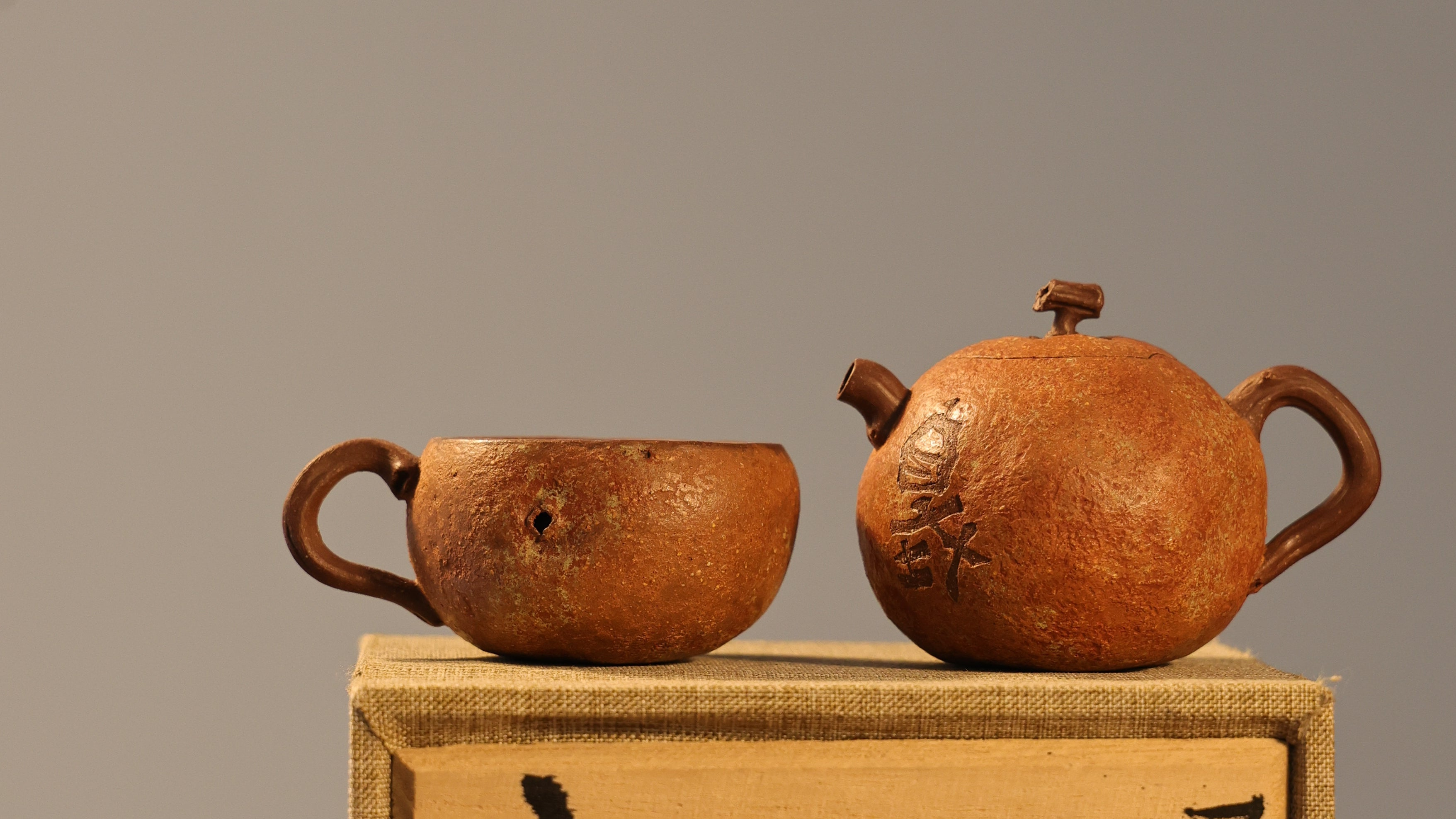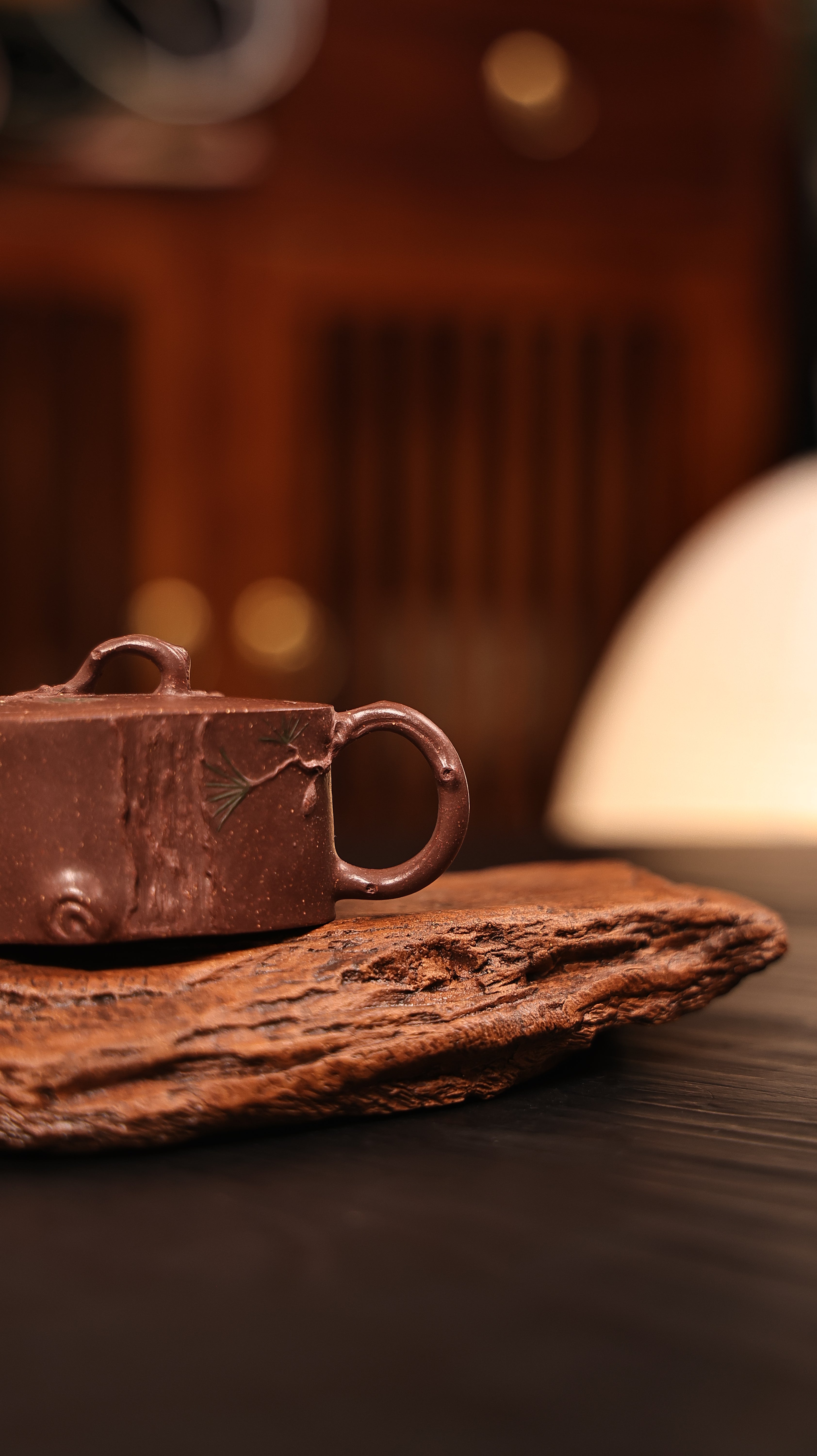
Generations in fans have long cherished the unique appeal of Yixing Zisha pots. Originating in the small town of Yixing, the country, these vessels are crafted from a rare and collected purple clay acknowledged for its unmatched thermal characteristics and aptitude to elevate the taste of tea. Other than their serviceable benefit, Zisha teapots reflect a deep cultural pedigree, resulting them exceptionally valued and a bona fide wonder for any ardent teapot fan.
Exploring Yixing Kettles
Traditional teapots exhibit a remarkable integration of history and traditional craftsmanship. Originating in Yixing, Jiangsu Locale of China, their narrative extends to the Ming Dynasty, although proof suggest earlier examples. The exclusive reddish-brown clay, called Zisha, found merely in the Yixing region, is the integral component, contributing to the pots' excellent heat keeping and the manner they alter the taste of tea. Epochs of potters have honed techniques—often bequeathed through families—including coiling the clay, applying detailed embellishments, and firing the pots at accurate temperatures.- In the past, Yixing teapots were often beautified with simple designs.
- Over time, more ornate carvings and decorative motifs became popular.
- The oven firing itself is a pivotal element, requiring extended spans of knowledge.
Gathering Zisha Teapots: Fundamental Points
Commencing a journey to accumulate Zisha teapots can be enjoyable, but it’s imperative to grasp what to inspect. Authenticity is vital; focus on the terrain’s natural color, a earthy reddish-brown is regular. Examine the surface; genuine Zisha has a particular tactile sensation, often noted as slightly textured. The outline should be pleasing and consistent with historical styles, while inscriptions, if present, require careful examination for validity. Don’t resist to consult with savvy experts or recognized experiences – their awareness is priceless.
Traditional Pitchers: Researching the Heritage of this Yixing Clay
Eons have seen Yixing Rare Clay teapots maintain a significant role in Chinese heritage. These Purple Clay Teapot skillfully produced pots, sourced solely from the territory of Yixing, are celebrated for their singular cast, nature, and their ability to enrich the profile of tea. Numerous collectors desire antique Yixing teapots, regarding them deeply not only for their aesthetic attractiveness, but also for the records they stand for.
Yixing Zisha Teapots: The Best Types and Their Characteristics
Yixing Zisha teapots, originating from the Yixing area of Yixing, China, are celebrated for their remarkable clay and unparalleled brewing skills. Amid the multiple Zisha types, particular forms that are highly sought-after include Zhuni. Binzhou, known for its dark purple shade and polished texture, delivers a light flavor. Duan Ni species, recognizable by its auburn color and mildly grainy feel, is said to enhance tea’s substance. Lastly, Zhuni form boasts an extraordinary scarlet tone and can lend a nice nuance. Each sort grants a unique experience, making them distinctly desirable within drink enthusiasts.
Brewing Perfection Specific Pottery Vessel
To unlock the virtue of your Yixing container, grasping the correct modus operandi is indispensable. These clay vessels, celebrated for their porosity, will successively incorporate the nature of the tea you cook within them. Begin by cleaning the jar thoroughly with boiling water. Then, use only premium raw leaf tea, as lower quality options can degrade the clay’s delicate qualities. Always let the leaves to extend completely, and remember that with each steeping, your Yixing kettle will become continuously cherished.
Securing Your Priceless Zisha Treasure
Proper upkeep for your Zisha kettle is crucial to maintaining its durability and significance. Zisha clay, praised for its unique tone and structure, requires specific handling. Never use corrosive cleaners, as these can spoil the finish. After every application, rinse the teapot with moderate temperature water and allow it to dry completely.
- Eschew soaking the urn for extended times.
- Sometimes use a soft towel to dust the exterior.
- Weigh applying a thin layer of food-grade oil inside the pitcher after drying, which can minimize staining.
Basics of Yixing Vessels
Yixing containers, originating from the Yixing sector in Jiangsu Province, located in China, are celebrated for their distinctive properties. Crafted from the unique purple soil known as Zisha, these jars are prized by liquid enthusiasts worldwide. This guide will gently explain the foundations – covering brands of Zisha clay, widespread shapes, and necessary care pointers. Understanding the history of Yixing clay pots can broaden your appreciation for this valued example of Han culture.
Art of Zhongguo Containers: Examining Zisha deriving from Yixing
Zisha ware from the Yixing area represents the summit of Oriental pitcher design, projecting a unique blend of earthy beauty and useful artistry. These exceptional pieces are celebrated for their intense tones, often varying from bold purples and mahogany hues to pale greys and faint beiges. The noted mineral composition of the exclusive Zisha bedrock imparts a distinctive texture and furnishes a pleasant aroma that heightens the whole drink experience, resulting in them strongly coveted collectibles and fundamental components of any serious infusion.